
What to do when a sting happens
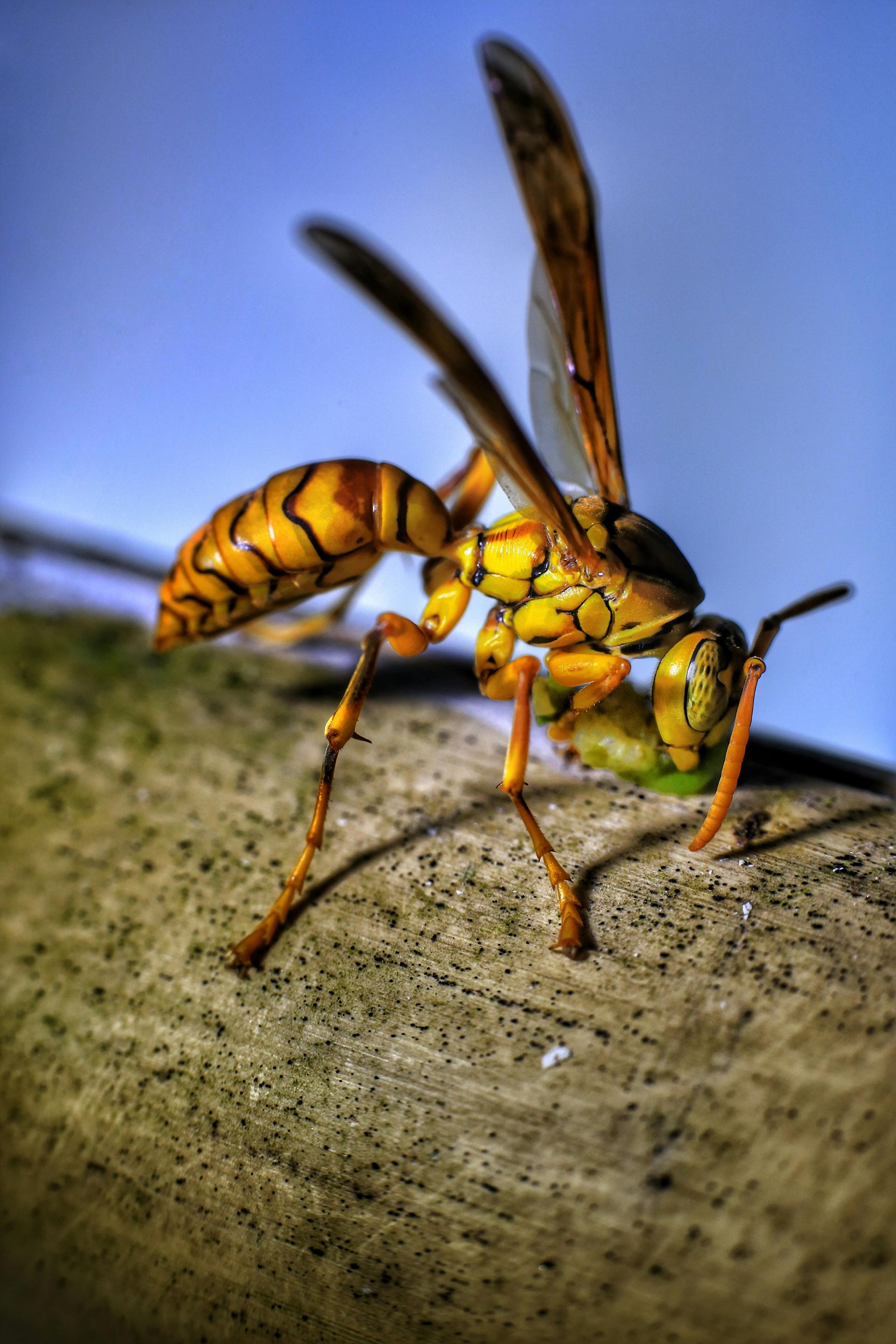
Sunny days bring out the best of nature—and unfortunately, sometimes the worst of it too. At Family
First
Urgent Care, we see a rise in bee stings during spring and summer! While most stings are harmless, they can be painful and, in some cases, even dangerous. Here’s what every family should know to stay safe and treat bee stings the right way.
What Happens When You Get Stung?
A bee sting delivers venom into the skin, causing a localized reaction. For most people, this means:
- Immediate sharp pain
- Redness and swelling
- Itching or warmth at the site
Signs of an Allergic Reaction
- Difficulty breathing or wheezing
- Swelling of the face, lips, or throat
- Hives that spread beyond the sting site
- Dizziness or fainting
- Rapid pulse or confusion
First Aid for a Mild Bee Sting
For most people, a bee sting can be safely treated at home. Here’s how:
- Remove the stinger ASAP
- Wash the area
- Apply a cold compress
- Take an antihistamine
- Use a pain reliever if needed
- Apply hydrocortisone cream or calamine lotion
Bee Aware, Not Bee-Afraid
Mild allergic reactions to bee stings—like localized swelling or itching—can be safely treated at Family First Urgent Care. But for severe symptoms such as difficulty breathing or throat swelling, seek emergency care immediately.