
Blood Work
Comprehensive Blood Chemistry Analysis In Office
Blood work in Oakhurst and Brick, NJ for metabolic panels, lipid profiles, thyroid function, and diagnostic testing.
Metabolic panels reveal electrolyte imbalances, kidney function changes, and liver enzyme elevations that explain symptoms like muscle weakness, confusion, abdominal pain, or unexplained swelling. Family First Primary Physicians performs venous blood draws for comprehensive metabolic panels, lipid profiles measuring cholesterol components, thyroid function tests including TSH and free T4, and other blood chemistry analysis based on your symptoms and medical history. The blood samples are collected in the office and processed by certified laboratories with results typically available within two to three business days for review and discussion.
The blood draw process uses standard venipuncture technique with appropriate tube selection based on which tests are ordered—purple-top tubes for complete blood counts, gold or red-top tubes for chemistry panels, and gray-top tubes for glucose testing. Fasting before the appointment is required for lipid panels and glucose measurements to ensure accurate baseline values without interference from recent food intake.
Schedule blood work testing to investigate unexplained symptoms or monitor ongoing treatment effectiveness.
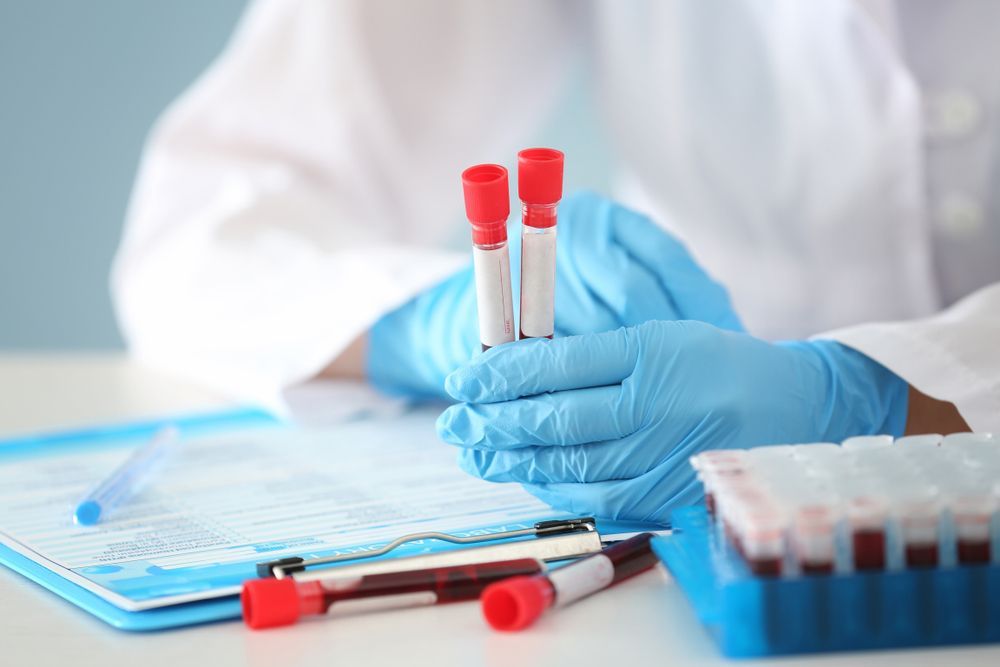
What Different Blood Tests Reveal
Comprehensive metabolic panels measure sodium, potassium, chloride, bicarbonate, blood urea nitrogen, creatinine, glucose, calcium, and liver enzymes, providing a broad overview of organ function and metabolic balance. Lipid profiles quantify total cholesterol, LDL cholesterol, HDL cholesterol, and triglycerides to assess cardiovascular risk. Thyroid panels measure TSH as the primary screening value, with free T4 and free T3 added when TSH is abnormal.
After blood work is completed and results are reviewed, you receive documentation showing each measured value alongside reference ranges that indicate normal, high, or low status. Abnormal results are explained in the context of your symptoms—elevated creatinine paired with decreased urine output suggests kidney function decline, while high liver enzymes combined with right upper quadrant pain warrant imaging studies. Blood work ordered at Family First Primary Physicians includes explanation of what each abnormal finding means and whether repeat testing, additional diagnostics, or treatment adjustments are warranted.
Repeat blood work is scheduled based on the abnormality identified and treatment initiated—patients starting new medications for thyroid conditions retest in six to eight weeks, while monitoring kidney function in chronic disease may occur quarterly. Urgent retesting happens when severe electrolyte imbalances or organ function decline requires close monitoring during treatment.
Common Questions About Lab Services
Blood work is frequently ordered during primary care visits in Brick and Oakhurst, NJ, prompting these common questions.
What preparation is required before blood work?
Most chemistry panels and lipid profiles require fasting for eight to twelve hours before the blood draw, meaning no food or drinks except water after midnight if your appointment is in the morning, though some tests like thyroid panels and complete blood counts do not require fasting.
How is blood drawn and does it hurt?
A tourniquet is applied to your upper arm to make veins more visible, the site is cleaned with alcohol, and a sterile needle is inserted into the vein to collect blood into vacuum-sealed tubes—most patients describe brief stinging during needle insertion followed by mild pressure sensation during collection.
When are results available for review?
Standard blood work processed by reference laboratories typically returns results within two to three business days, with critical or severely abnormal values called to the office by the lab within hours for immediate clinical action when necessary.
What happens if results are abnormal?
You receive explanation of which values fell outside normal ranges and what those abnormalities suggest clinically, followed by a plan that may include medication adjustment, repeat testing to confirm findings, additional diagnostic studies, lifestyle modification recommendations, or specialist referral depending on severity and cause.
Why are some tests repeated frequently while others are not?
Test frequency depends on the condition being monitored and treatment underway—thyroid medication requires retesting after each dose change but only annually once stable, while diabetes management requires A1C testing every three months, and acute kidney injury may need daily monitoring until function improves.
Family First Primary Physicians performs all blood collection in the office with results reviewed during follow-up visits or via patient portal once available. Call to schedule blood work ordered by your provider or to discuss symptoms requiring diagnostic testing.