
Diabetes Management
Structured Care for Blood Sugar Control
Diabetes management in Oakhurst and Brick, NJ for Type 1 and Type 2 patients requiring medication adjustment and monitoring.
Blood sugar levels that remain consistently elevated cause symptoms like increased thirst, frequent urination, slow wound healing, and fatigue that interferes with daily function. Family First Primary Physicians manages both Type 1 and Type 2 diabetes through regular hemoglobin A1C testing, medication titration including weight management drugs when appropriate, and education about carbohydrate intake patterns that affect glucose control. The management approach adapts to how well your body responds to current treatment and whether complications are developing.
Type 2 diabetes management often begins with oral medications that improve insulin sensitivity or reduce glucose production by the liver, while Type 1 patients require insulin regimen management with dosing adjustments based on blood sugar patterns. Weight management medications such as GLP-1 agonists are considered when obesity contributes to insulin resistance and traditional approaches haven't achieved sufficient control.
Schedule an evaluation appointment to review your current diabetes control and discuss whether medication adjustments are warranted.
What Proper Diabetes Monitoring Requires
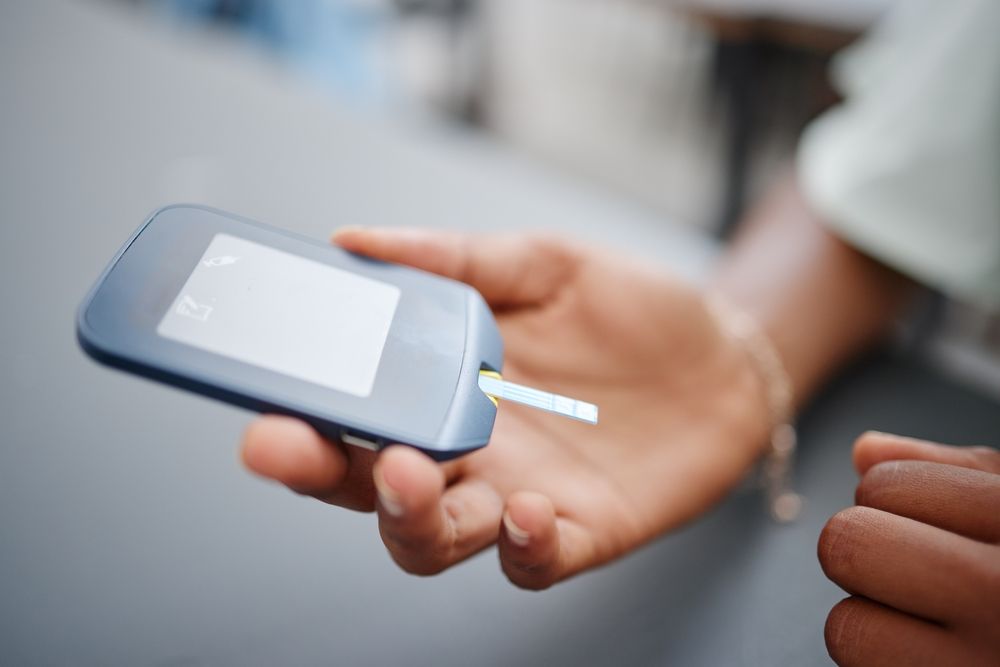
Effective diabetes management requires hemoglobin A1C testing every three months to assess average blood sugar control over time, periodic kidney function monitoring since diabetes affects filtration capacity, and foot examinations to detect nerve damage or circulation problems before they progress. You bring home glucose meter readings to appointments so patterns throughout the day can be identified and addressed through medication timing or dose changes.
When A1C levels decrease into target ranges and stay there consistently, you notice improved energy levels, reduced thirst and urination frequency, and better wound healing when minor injuries occur. Weight management medications contribute to these improvements when excess weight has been preventing adequate glucose control despite other interventions.
The care plan addresses complications such as neuropathy symptoms, vision changes requiring ophthalmology referral, and cardiovascular risk factors that commonly accompany diabetes. Medication regimens are simplified when possible to improve compliance, and continuous glucose monitoring systems are discussed when frequent blood sugar fluctuations make control difficult with standard finger-stick testing.
Answers to Frequent Diabetes Management Questions
Understanding the management process helps patients new to diabetes care or those considering treatment changes.
How is Type 1 diabetes management different from Type 2?
Type 1 patients require insulin because their pancreas produces little or none, with management focused on matching insulin doses to carbohydrate intake and activity levels, while Type 2 management often starts with oral medications that help the body use its own insulin more effectively before adding injectable medications if needed.
What are weight management medications and when are they used?
GLP-1 receptor agonists and similar drugs slow gastric emptying and reduce appetite while improving insulin response, prescribed when excess weight contributes significantly to insulin resistance and A1C levels remain elevated despite oral medications and lifestyle modifications.
What does hemoglobin A1C measure that daily glucose readings don't?
A1C reflects average blood sugar over the previous two to three months by measuring the percentage of hemoglobin molecules with glucose attached, providing a comprehensive view that daily readings can't capture since they only show specific moments in time.
How often do medications require adjustment?
Adjustment frequency varies widely—newly diagnosed patients or those starting new medications may need changes every few weeks until control improves, while patients with stable A1C levels in target range may continue the same regimen for months or years with only periodic monitoring.
Why is foot examination important for diabetes patients?
Diabetes damages nerves and blood vessels over time, particularly in the feet where reduced sensation prevents early detection of injuries and poor circulation slows healing, making regular examination critical for identifying problems before they progress to serious infections or ulcers.
All diabetes monitoring, medication management, and complication screening is conducted at Family First Primary Physicians in Oakhurst and Brick, NJ. Contact the office to establish care or discuss concerns about your current diabetes control.