
Dislocations, Fractures and Sprains
Walk-In Care for Bone and Joint Injuries
Treatment for dislocations, fractures, and sprains at Family First Urgent Care in Oakhurst, Toms River, Old Bridge, and Eatontown, NJ.
When you twist an ankle, fall on your wrist, or feel something pop in your shoulder, the pain and uncertainty can be overwhelming. You need to know whether the bone is broken, whether a joint is out of place, and what kind of care will get you back to normal. Family First Urgent Care provides walk-in evaluation and treatment for dislocations, fractures, and sprains, including on-site imaging to determine the extent of the injury.
The team will examine the injured area, order an X-ray if needed, and provide a diagnosis along with a treatment plan. Simple fractures can be splinted or casted on-site, sprains are treated with immobilization and activity guidelines, and dislocations are assessed to determine whether reduction can be performed or whether you need referral to an orthopedic specialist. Pain management and follow-up instructions are included in every visit.
If you are dealing with a recent injury and are not sure how serious it is, Family First Urgent Care can evaluate it today.
What Happens After the Injury Is Assessed
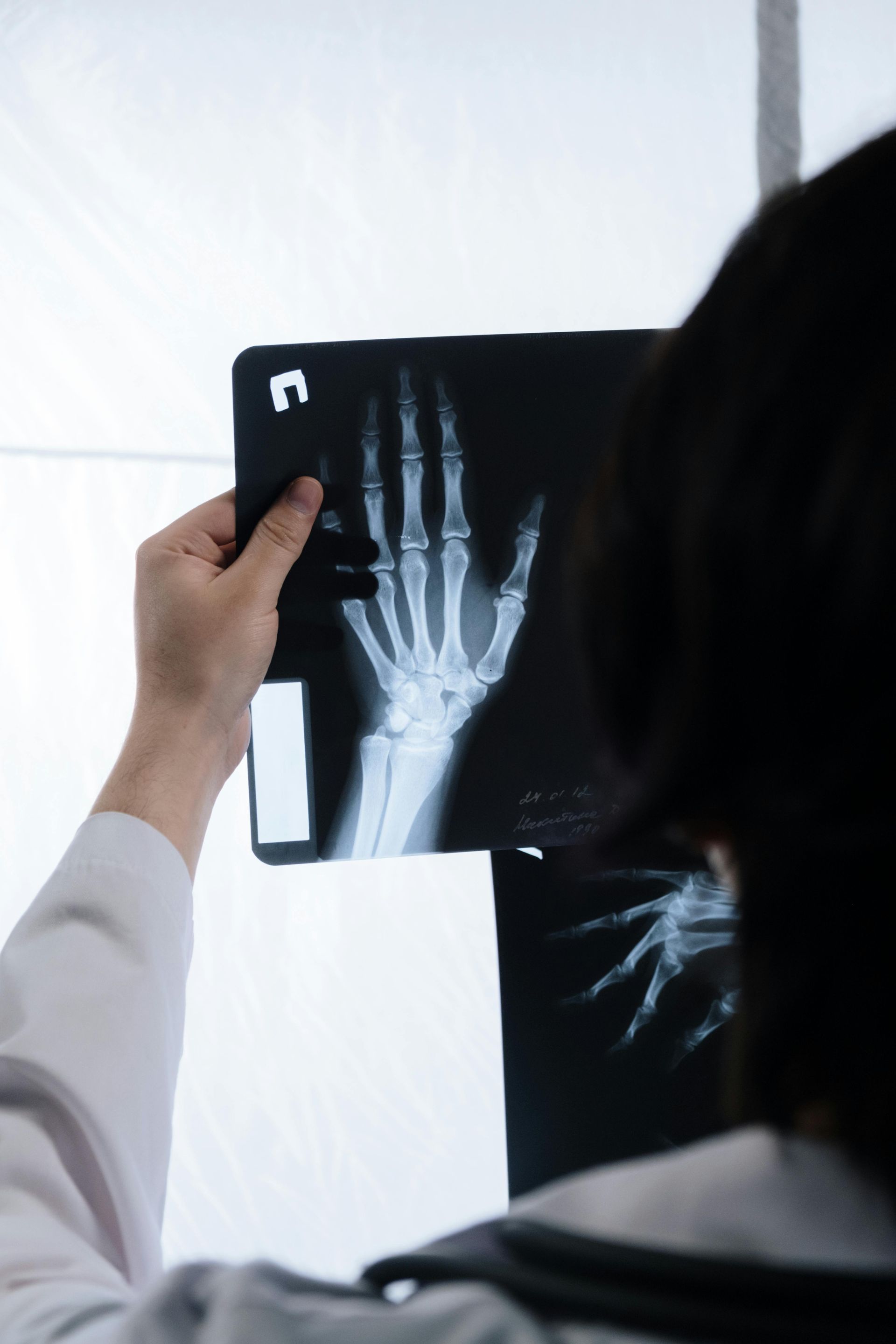
When you come in with a suspected fracture or sprain, the provider will ask how the injury occurred, test your range of motion, and check for swelling, bruising, or deformity. An X-ray will be taken to confirm whether a bone is broken and to see the alignment of the fracture if one is present. Results are reviewed during your visit.
After the injury is diagnosed, you will receive a splint, brace, or wrap to stabilize the area and prevent further damage. Pain and swelling will be addressed with medication recommendations and instructions on icing and elevation. You will leave knowing whether the bone is broken, how long recovery typically takes, and what activities to avoid while healing.
Complex fractures that require surgery or realignment, compound fractures with open wounds, or dislocations that cannot be safely reduced on-site will be referred to an orthopedic surgeon or emergency department. The goal is to provide as much care as possible in the urgent care setting while recognizing when specialized intervention is needed.
Concerns That Come Up After an Injury
After a fall or sports injury, people often wonder whether they really need an X-ray or how to tell a sprain from a break. These questions help you understand what to expect and when to seek care.
How can I tell if my ankle is sprained or broken?
Both injuries cause pain and swelling, so it is difficult to tell without an X-ray. If you cannot bear weight on the ankle, if there is significant bruising, or if the pain is severe, you should have it evaluated. An X-ray will show whether a bone is fractured.
What is the difference between a splint and a cast?
A splint is a temporary support that allows for swelling and can be adjusted or removed. A cast is a more rigid, fully enclosed support used for confirmed fractures that need stable immobilization. Most urgent care visits result in a splint, with casting done later by an orthopedic specialist if needed.
Will I be able to walk or use my arm right after treatment?
That depends on the injury. Some sprains and minor fractures allow limited movement with support, while others require complete rest and immobilization. You will receive clear instructions on weight-bearing, activity restrictions, and when you can return to normal use.
How long does it take for a fracture or sprain to heal?
Minor sprains may improve in one to two weeks, while moderate sprains take four to six weeks. Simple fractures typically heal in six to eight weeks, though this varies by location and severity. You will be given a timeline based on your specific injury.
When should I follow up after being treated for a fracture?
You should follow up within one to two weeks, either at Family First Urgent Care or with an orthopedic specialist, depending on the type of fracture. Follow-up visits ensure the bone is healing properly and allow adjustments to your splint or activity level.
If you have injured a bone or joint and need clarity on what happened and how to treat it, Family First Urgent Care offers same-day evaluation, imaging, and treatment to help you start recovering right away.