
Fall Risk Assessment
Identifying Instability Before Serious Injury Occurs
Fall Risk Assessment in Oakhurst and Brick, NJ for elderly patients experiencing near-falls, unsteady gait, or recent balance loss.
Grabbing furniture during routine walking, misjudging step heights, or catching yourself from falling multiple times weekly all indicate that balance systems are failing to compensate for age-related sensory decline, muscle weakness, or medication side effects. Fall risk assessment at Family First Primary Physicians combines mobility testing, medication review, and environmental hazard discussion to quantify fall probability and guide interventions before fractures, head injuries, or fear-based activity restriction occurs. The evaluation identifies correctable factors like orthostatic hypotension that drops blood pressure upon standing, peripheral neuropathy that eliminates foot position feedback, and polypharmacy involving sedatives or antihypertensives that impair postural reflexes.
Clinicians observe gait speed and stability during a timed walk, assess leg strength through chair rise tests that reveal whether thigh muscles can lift body weight without arm assistance, and evaluate balance using progressively challenging stances—feet together, semi-tandem, tandem, and single-leg positions that stress the vestibular and proprioceptive systems responsible for maintaining upright posture. Patients who require more than fifteen seconds to rise from a chair five times or who cannot hold tandem stance for ten seconds face significantly elevated fall risk within the next year.
Arrange a fall risk evaluation if you've had a recent fall or if walking outdoors now requires conscious attention to every step.
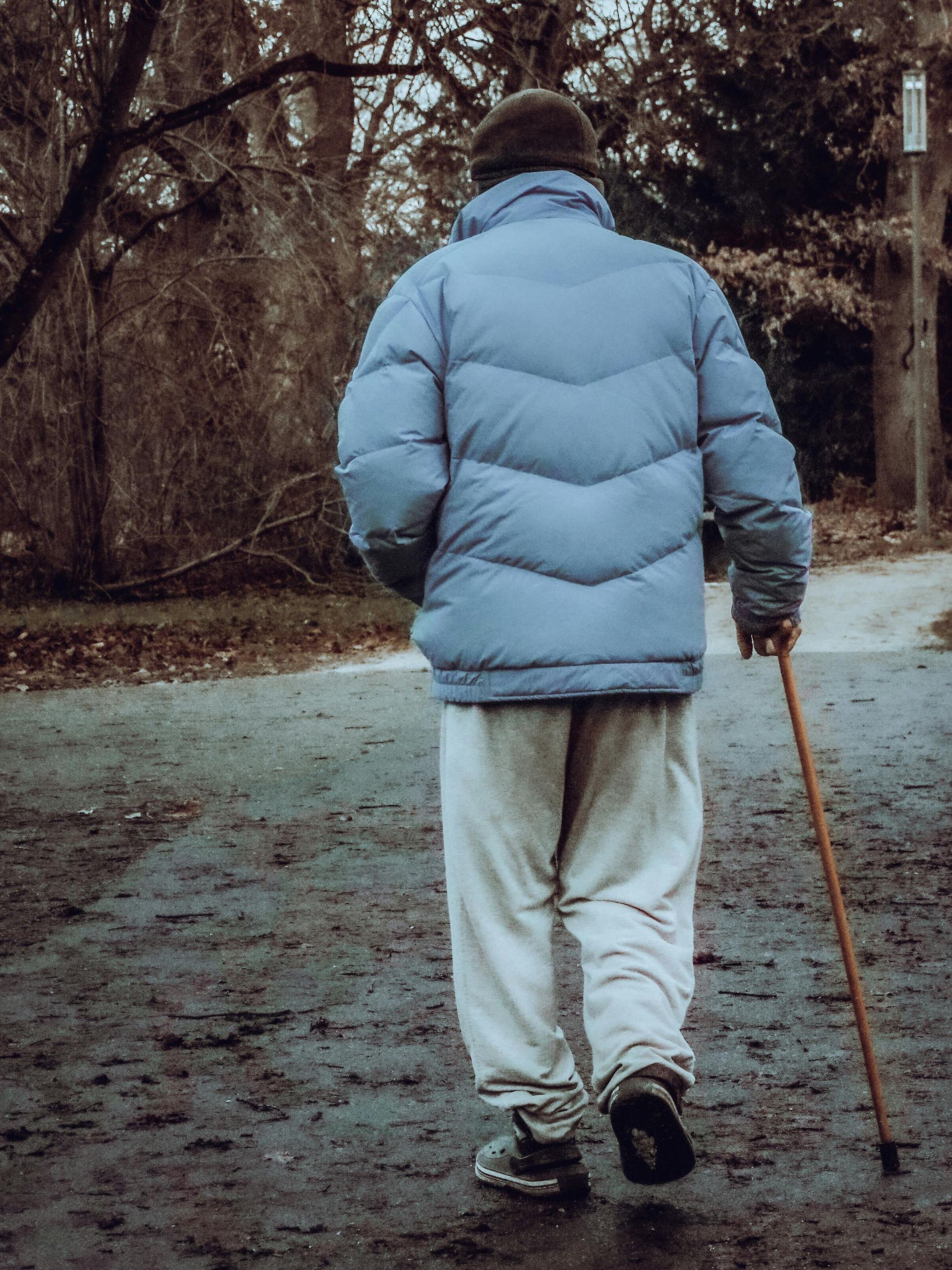
Why Fall Risk Happens, and How to Stop It
Falls result from interactions between intrinsic factors like impaired vision, slowed reaction time, and reduced ankle flexibility and extrinsic hazards such as loose rugs, poor lighting, and irregular surfaces. The assessment screens for each category: vision testing detects cataracts or macular degeneration that limit depth perception, neurological examination reveals stroke effects or Parkinson's disease that disrupt motor planning, and cardiovascular evaluation identifies arrhythmias or valve disease that reduce cerebral perfusion during position changes. Medication lists often expose culprits—sedating antihistamines, multiple blood pressure drugs that cause dizziness, and opioid pain relievers that slow reflexes and cloud judgment.
After completing the assessment, patients receive a scored fall risk classification and specific recommendations addressing identified deficits. Interventions range from physical therapy to improve leg strength and gait stability, to medication adjustments that eliminate unnecessary sedatives, to referrals for cataract surgery or podiatry evaluation of painful foot conditions that alter walking mechanics. Family First Primary Physicians discusses home modifications like grab bar installation, removal of tripping hazards, and improved lighting in hallways and stairways—changes that reduce extrinsic risk when intrinsic factors can't be fully corrected.
The assessment includes mobility observation, balance testing, and medication review with fall prevention counseling. It does not include bone density measurement to assess fracture risk, detailed vision or hearing testing, or home safety visits that evaluate environmental hazards firsthand.
What Patients Usually Ask About Fall Assessment
Elderly patients and their families often wonder when fall risk evaluation becomes necessary and what recommendations follow. These answers clarify the assessment process and its importance in geriatric care.
When are patients in Brick and Oakhurst, NJ in need of fall risk assessment?
Anyone over seventy who has fallen in the past year, anyone experiencing dizziness with position changes, or anyone who has begun limiting activities due to balance concerns should undergo evaluation—waiting until multiple falls occur allows injuries and functional decline that prevention strategies could have avoided.
How are fall risk assessments performed?
Clinicians time how long it takes you to stand from a chair five times without using your hands, observe your walking pattern for shuffling or lateral sway, test balance in progressively difficult stances, review all medications for agents that affect coordination, and ask about previous falls and near-miss events—the entire process takes about twenty minutes.
What makes fall risk assessment important in elderly care?
One in four adults over sixty-five falls annually, and twenty percent of falls cause serious injuries like hip fractures or traumatic brain injuries—assessment identifies modifiable risk factors before those outcomes occur, allowing interventions that maintain independence and prevent the cascade of decline that often follows major fall-related injuries.
What happens after high fall risk is identified?
Recommendations typically include referral to physical therapy for strength and balance training, medication review to eliminate drugs that impair stability, vision and hearing evaluation if sensory deficits exist, and discussion of assistive devices like canes or walkers that provide additional support—compliance with even a few interventions significantly reduces fall probability.
Can fall risk be eliminated completely in older adults?
Age-related changes in muscle mass, sensory feedback, and reaction speed make some degree of fall risk unavoidable, but systematic intervention reduces that risk by addressing correctable factors—the goal is lowering probability to levels that allow safe community ambulation rather than achieving the zero risk of younger adults.
Family First Primary Physicians performs fall risk assessments at both Oakhurst and Brick, NJ locations when elderly patients or families recognize declining stability. Request evaluation if balance concerns are limiting your activity or if you're recovering from a fall that shouldn't have happened.