Influenza Testing
Confirm Whether Your Symptoms Are Flu
Family First Urgent Care offers rapid influenza testing to determine if your illness is flu and guide treatment decisions in Oakhurst, Toms River, Old Bridge, and Eatontown, NJ.
When you develop fever, body aches, and fatigue during flu season, knowing whether you have influenza helps determine the right treatment and whether antiviral medication could shorten your illness. Family First Urgent Care uses rapid influenza tests that detect the virus from a nasal swab and provide results in about 15 minutes.
The test identifies both influenza A and influenza B, the two main types that circulate each year. If the test is positive, your provider can prescribe antiviral medication such as Tamiflu, which works best when started within the first 48 hours of symptoms. If the test is negative but your symptoms are severe, your provider may still treat you based on clinical judgment and local flu activity levels.
If you are experiencing flu-like symptoms and want confirmation, contact Family First Urgent Care to schedule a rapid test and discuss treatment options.
Why Testing Helps Guide Your Care Plan
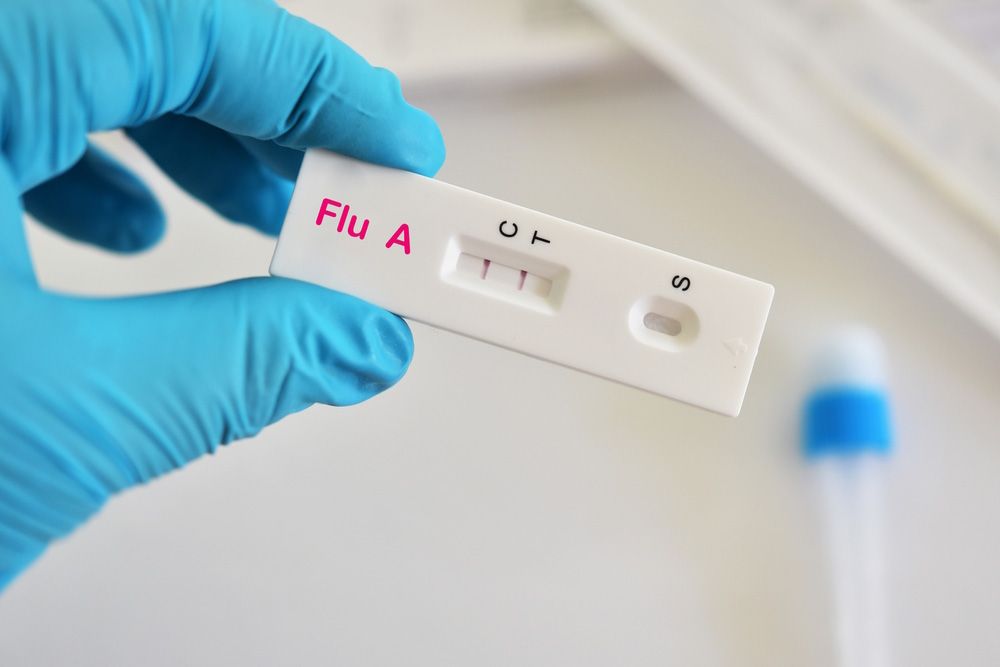
Rapid influenza testing uses a nasal swab to collect a sample, which is then analyzed on-site. The test detects viral proteins and produces a result while you wait. Testing is most accurate within the first three to four days of symptoms when viral shedding is highest.
A positive result confirms that antiviral medication may help reduce symptom duration and severity. A negative result suggests your symptoms may be caused by another virus, though it does not completely rule out influenza if testing was done late in the illness. Your provider will review your symptoms and medical history to determine the best course of action.
Antiviral medications are most effective when started early, so testing soon after symptom onset improves your chances of benefiting from treatment. Family First Urgent Care can also provide guidance on symptom management, hydration, and when to return if your condition worsens.
Answers to questions about flu testing
People coming in for flu testing often ask about accuracy, timing, and what happens if the test comes back positive or negative.
How is the flu test performed?
A staff member inserts a swab into your nostril and collects a sample from the back of your nasal passage. The swab is then placed in a test device that detects viral proteins. The procedure takes less than a minute, and results are ready in about 15 minutes.
When should I get tested for the flu?
You should get tested within the first few days of symptoms, especially if you are considering antiviral medication. Testing is most useful when you have fever, body aches, fatigue, or respiratory symptoms during flu season.
What if my test is positive?
If your test is positive, your provider will discuss antiviral treatment options and symptom management. You should rest, stay hydrated, and avoid contact with others to prevent spreading the virus. Most people recover within a week.
What if my test is negative but I still feel sick?
A negative test does not always rule out flu, especially if tested late in the illness. Your provider may still treat you based on symptoms and local flu activity. Other viruses can cause similar symptoms and require supportive care.
Can I get a flu shot at the same visit?
If you test negative and have not yet received a flu shot this season, Family First Urgent Care can administer the vaccine during the same visit. The flu shot helps prevent future infections but does not treat active illness.
Family First Urgent Care provides rapid influenza testing with same-visit results and treatment options, so you know what you are dealing with and can start feeling better sooner. Get in touch to schedule your test or discuss your symptoms.