
Spending time outdoors: ticks
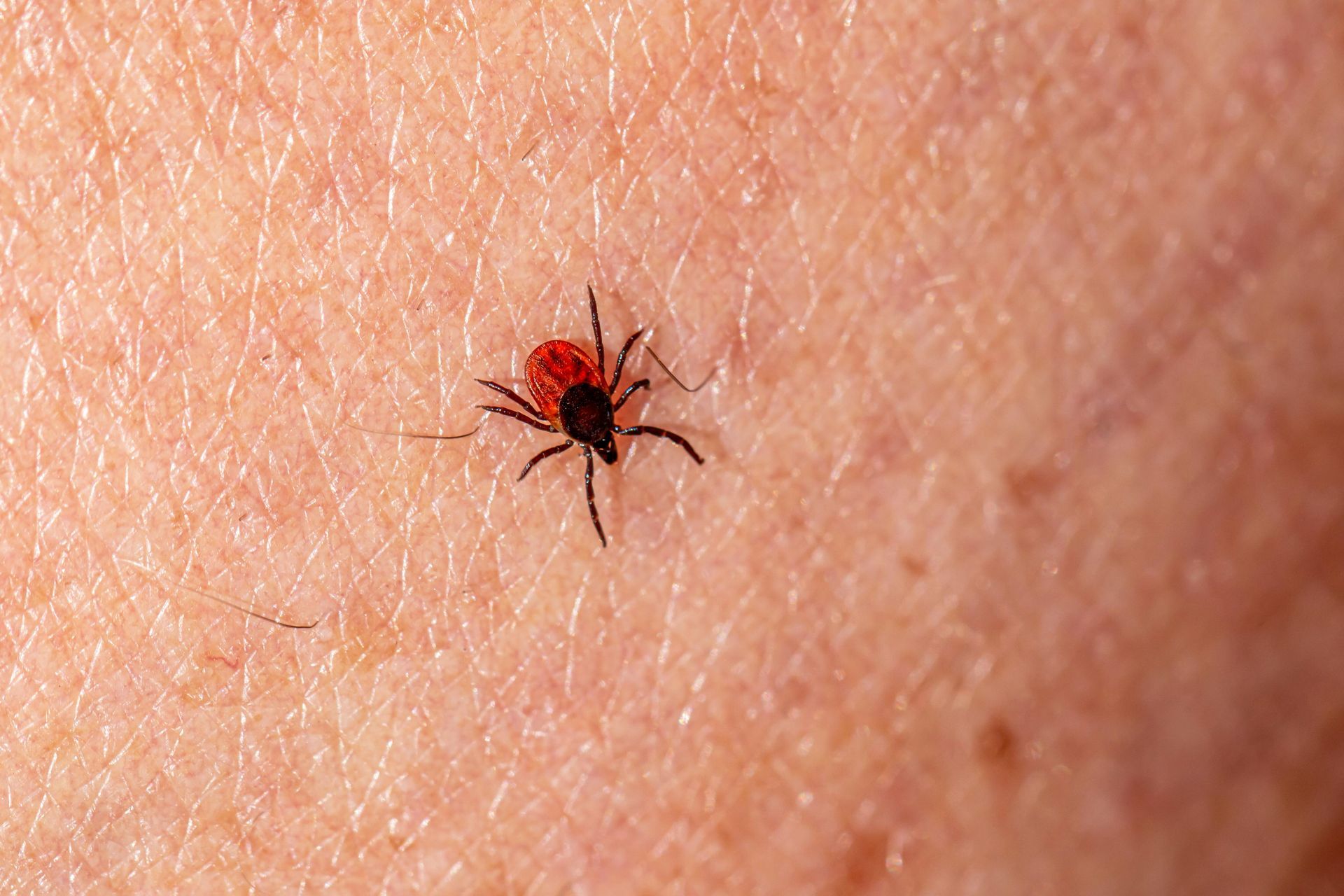
How to Prevent Tick Bites, Treat Them Safely, and Know When to Seek Medical Care
As the weather warms up across New Jersey, more people are spending time outdoors—whether it’s hiking, playing sports, or enjoying time in the yard. With that comes an increased risk of tick exposure. Understanding how to prevent tick bites, what to do if you find one, and when to seek medical care can help protect you and your family.
Why Tick Bites Matter
Ticks are more than just a nuisance—they can carry infections such as Lyme disease and other tick-borne illnesses that are common in Monmouth, Ocean, and Middlesex Counties. Early detection and proper care are key to avoiding complications.
How to Prevent Tick Bites
Taking a few simple precautions can significantly reduce your risk:
- Wear protective clothing when in wooded or grassy areas (long sleeves, long pants, and closed-toe shoes)
- Use insect repellent with DEET or permethrin on clothing
- Stick to clear paths and avoid tall grass or brush when possible
- Perform tick checks after being outdoors—especially behind knees, under arms, around ears, and along the hairline
- Shower shortly after outdoor activity to help wash away unattached ticks
For families with children and pets, regular tick checks are especially important.
What to Do If You Find a Tick
If you discover a tick, try not to panic. Prompt and proper removal reduces the risk of infection.
- Use fine-tipped tweezers to grasp the tick as close to the skin as possible
- Pull upward with steady, even pressure—avoid twisting
- Clean the area thoroughly with soap and water or alcohol
- Dispose of the tick safely (do not crush it with your fingers)
Avoid home remedies like petroleum jelly or heat, as these can increase the risk of disease transmission.
Symptoms to Watch For
After a tick bite, keep an eye out for:
- A bullseye-shaped rash (common with Lyme disease)
- Fever, chills, or fatigue
- Headaches or muscle/joint aches
- Swollen lymph nodes
Symptoms can appear days to weeks after a bite, so it’s important to stay aware.
When to Seek Medical Care
It’s a good idea to be evaluated by a medical provider if:
- You’re unsure how long the tick was attached
- The tick appears engorged (swollen with blood)
- You develop any symptoms such as rash, fever, or fatigue
- You’re unable to fully remove the tick
- The bite site becomes increasingly red, swollen, or painful
In some cases, preventive antibiotics may be recommended, particularly in areas where Lyme disease is common.
Convenient Care Close to Home
At Family First Urgent Care & Primary Physicians, we’re here to make getting care simple and stress-free. Our experienced providers can evaluate tick bites, remove ticks if needed, and determine whether treatment or testing is appropriate.
We offer:
- Walk-in care—no appointment needed
- On-site evaluation and treatment for tick bites and related symptoms
- Care for all ages, including pediatrics
- Convenient locations across Monmouth, Ocean, and Middlesex Counties
Visit us at any of our locations in Old Bridge, Oakhurst, Eatontown, and Toms River, open 7 days a week with extended hours.
A Final Thought
Spending time outdoors is one of the best parts of the season—and with a little awareness, you can enjoy it safely. If you have any concerns about a tick bite, it’s always better to have it checked.
If you’d like, you can walk right in or reserve your place online—we’re here when you need us.