
Explore Walk-In Diagnostic X-Ray Services in West Long Branch, NJ
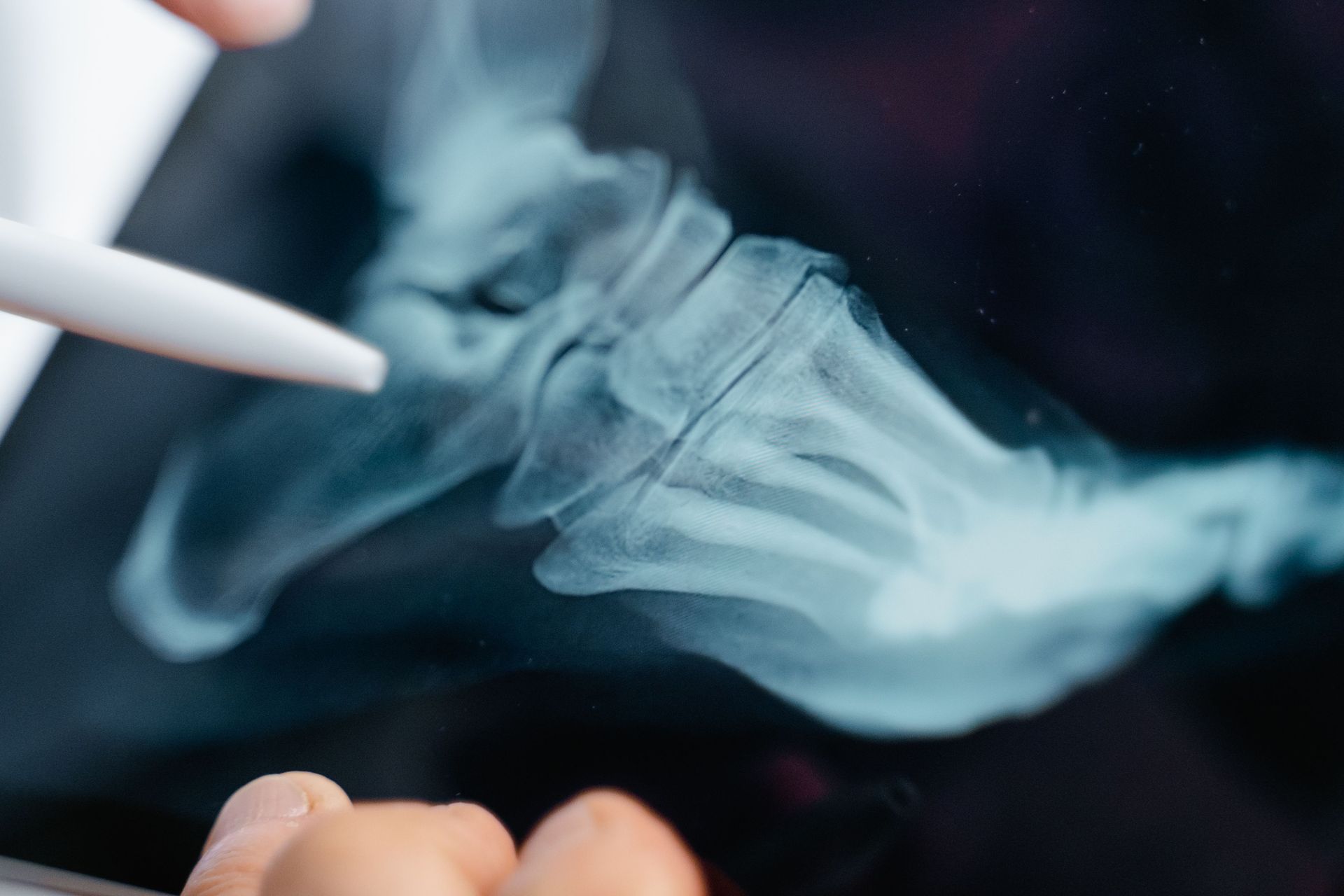
X-ray services in West Long Branch, NJ deliver on-site diagnostic imaging for bone injuries, fractures, sprains, and joint problems with immediate evaluation by trained technicians, allowing same-visit diagnosis and treatment planning without separate radiology appointments.
How Do Walk-In X-Ray Services Improve Injury Evaluation?
Walk-in X-ray services eliminate delays by providing imaging, interpretation, and treatment recommendations during a single visit, speeding recovery.
Traditional injury care often requires visiting an urgent care clinic for evaluation, then traveling to a separate imaging center for X-rays, and returning for results. On-site X-ray services streamline this process by capturing images immediately after your provider examines the injury. The provider reviews images on-site and explains findings while you're still in the office.
This approach reduces waiting times, eliminates extra appointments, and allows treatment to begin the same day. For fractures, splints or casts can be applied immediately. For sprains, you receive care instructions and follow-up plans before leaving.
What Types of Injuries and Conditions Are Diagnosed With X-Rays?
X-rays visualize bone fractures, dislocations, arthritis, foreign objects, and certain soft tissue injuries to guide appropriate treatment.
Fractures appear as breaks or cracks in bone structure and help providers determine whether casting, splinting, or surgical referral is needed. Dislocations show bones out of their normal position, requiring reduction and immobilization. X-rays detect arthritis by revealing joint space narrowing and bone changes. Foreign objects such as glass or metal embedded in tissue show up clearly on X-ray images.
While X-rays primarily image bone, they can also identify certain soft tissue conditions such as fluid accumulation in joints or significant swelling patterns that suggest ligament damage.
Do X-Rays Pose Health Risks From Radiation Exposure?
Modern X-ray equipment uses minimal radiation doses, and the diagnostic benefits far outweigh the small exposure risk for most patients.
X-ray machines are calibrated to use the lowest effective radiation dose needed to produce clear images. A single X-ray delivers less radiation than you receive from natural environmental sources over several days. Technicians use lead shielding to protect areas not being imaged, further reducing exposure.
Pregnant patients should inform providers before X-rays are taken, as alternative imaging or shielding may be recommended. For non-pregnant patients, the risk from diagnostic X-rays is negligible compared to the benefit of accurate diagnosis.
West Long Branch's proximity to Monmouth University means many young adults and athletes need quick access to sports physical services in West Long Branch and imaging for athletic injuries during training seasons.
Can X-Rays Detect All Types of Fractures?
X-rays detect most fractures, but some hairline fractures or stress injuries may not appear on initial imaging and require follow-up or advanced imaging.
Obvious fractures with displacement or angulation are immediately visible on X-rays. Hairline fractures, especially in small bones or joints, may be subtle and require careful examination by experienced providers. Stress fractures caused by repetitive impact may not show on X-rays until healing begins and new bone forms around the injury site.
If symptoms suggest a fracture but X-rays appear normal, providers may recommend follow-up imaging in one to two weeks or refer you for MRI if immediate diagnosis is critical. X-rays remain the first-line imaging for suspected fractures due to their speed, accessibility, and accuracy.
How Quickly Are X-Ray Results Available?
Results are typically available within minutes to hours, allowing same-visit diagnosis and treatment planning without waiting for outside reports.
Digital X-ray systems produce images instantly on computer screens. Providers review images immediately and discuss findings with you during your visit. For complex cases, images may be sent to radiologists for formal interpretation, with reports available within a few hours. This rapid turnaround supports timely treatment decisions, especially for fractures requiring immobilization or referral to orthopedic specialists.
Same-visit results mean you leave with a clear diagnosis, treatment plan, and any necessary referrals or prescriptions.
How Does Monmouth County's Active Lifestyle Culture Affect X-Ray Demand?
West Long Branch's college population and proximity to recreational areas increase demand for imaging related to sports injuries, falls, and outdoor activities.
Monmouth University students and local athletes frequently need X-rays for fractures, sprains, and overuse injuries sustained during training or competition. The town's tree-lined residential streets and parks see seasonal increases in injuries from cycling, running, and recreational sports. Winter ice and snow contribute to slip-and-fall injuries requiring wrist, ankle, and hip imaging.
Providers familiar with regional activity patterns recognize common injury mechanisms and interpret X-rays with context about how injuries occurred. This local knowledge improves diagnostic accuracy and treatment recommendations tailored to patients' activity goals.
Residents also benefit from nearby urgent care services in West Long Branch that combine walk-in availability with on-site diagnostic imaging for efficient evaluation of sudden injuries and illnesses.
X-ray services at Family First Primary Care in West Long Branch, NJ provide fast, accurate diagnostic imaging with same-visit results and treatment planning for bone and joint injuries. Discover convenient diagnostic care for walk-in or scheduled imaging appointments.