Lab & Diagnostic Services
On-Site Testing for Clinical Decision Making
Lab & Diagnostic Services in Toms River for patients requiring blood work, urinalysis, EKG, spirometry, pregnancy testing, STD screening, or Retinavue imaging
Waiting days for lab results often delays treatment decisions when symptoms require immediate evaluation or when medication adjustments depend on current test values. Family First Urgent Care performs lab and diagnostic testing on-site in Toms River, allowing clinical teams to interpret results during the same visit and make treatment decisions without the delay inherent in send-out lab models. This service matters for patients with acute symptoms, those managing chronic conditions requiring regular monitoring, and individuals seeking screening for infections or pregnancy confirmation.
Available testing includes blood work for metabolic panels, lipid profiles, thyroid function, and other blood chemistry analysis, urinalysis for infection detection or metabolic evaluation, EKG for cardiac rhythm and electrical activity assessment, spirometry for lung function measurement in respiratory conditions, Retinavue retinal imaging for diabetic retinopathy screening, urine pregnancy testing, and STD testing for sexually transmitted infection detection. Results are reviewed by the medical team and discussed with patients during the visit when possible.
Request lab testing based on your current symptoms or as part of routine monitoring for existing health conditions.
How On-Site Diagnostics Change the Care Timeline
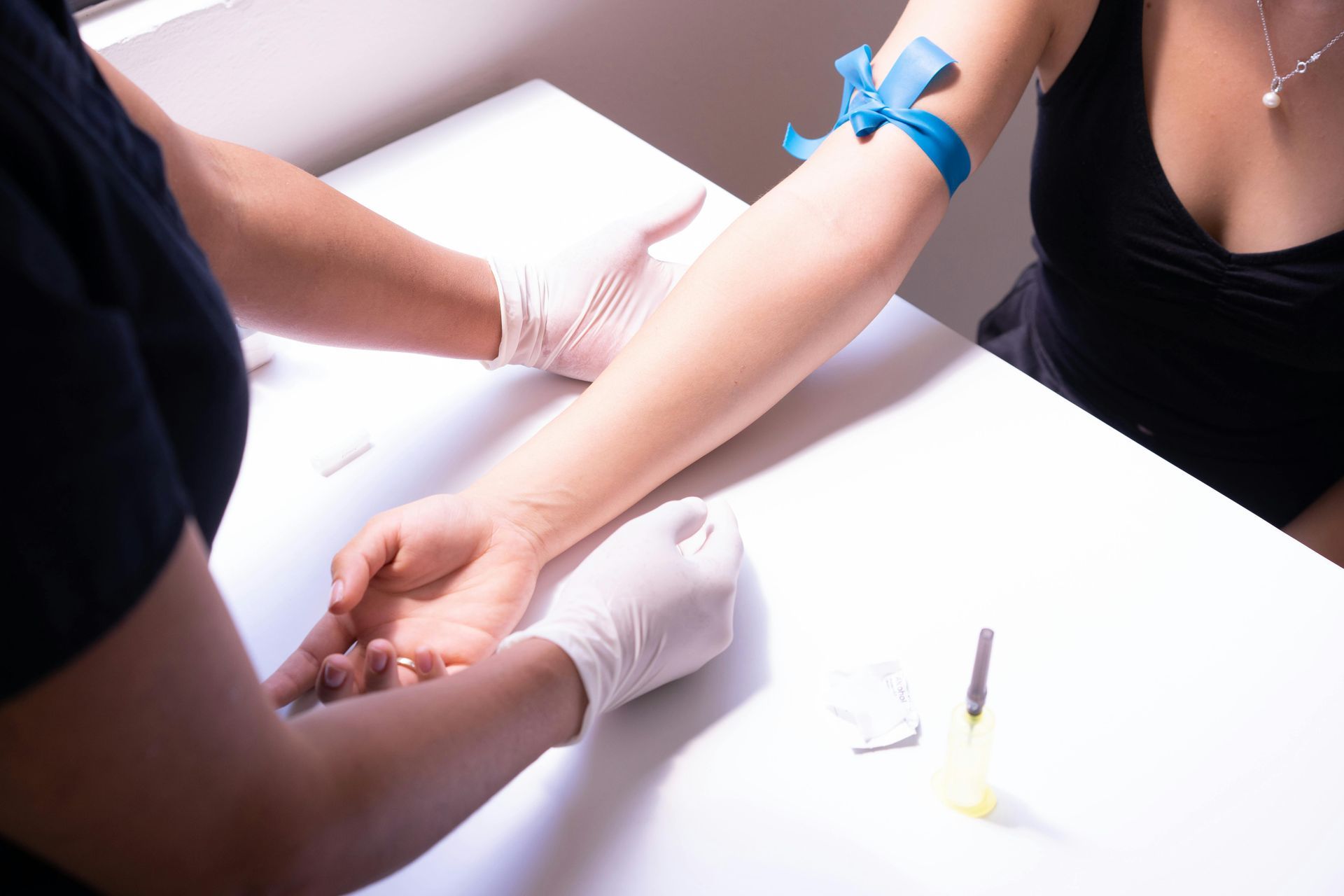
On-site testing eliminates the gap between sample collection and clinical interpretation that exists when specimens are sent to external labs. Blood work processed in-house provides metabolic data, glucose levels, and other chemistry values within the visit window, allowing providers to adjust medications, recommend treatment, or order additional testing based on objective findings rather than symptom description alone. EKG tracings are reviewed immediately to identify arrhythmias, ischemic changes, or conduction abnormalities that require urgent cardiology referral or medication adjustment.
Spirometry testing measures forced expiratory volume and other lung function parameters in real time, providing data that guides asthma or COPD treatment decisions during the same appointment. Retinavue imaging captures retinal photographs that are analyzed for diabetic retinopathy, macular edema, and other vascular changes, with results available for review and patient discussion before leaving the facility. Urinalysis detects infection markers, protein, glucose, and blood in urine samples, informing decisions about antibiotic therapy or the need for further renal evaluation.
STD testing and pregnancy testing use rapid methods when clinically appropriate, though some panels require standard lab processing times. The service prioritizes tests that directly inform same-day treatment decisions while also supporting routine monitoring for patients with scheduled follow-up care.
Common Questions About Testing Services
Patients seeking diagnostic testing often ask about preparation requirements and how quickly results become available for clinical use.
What blood work can be completed on-site without referral to a hospital lab?
The facility processes comprehensive metabolic panels, lipid panels, thyroid function tests, glucose measurements, and other common chemistry analyses in-house, with results available for clinical review during extended visit times or shortly after the appointment depending on test complexity.
How does spirometry work and what does it measure?
Spirometry requires you to take a deep breath and exhale as forcefully and completely as possible into a mouthpiece connected to a measurement device, which records airflow rate and total volume to assess lung function and detect obstructive or restrictive patterns common in asthma, COPD, and emphysema.
Does Retinavue replace a full eye exam for diabetic patients?
Retinavue provides retinal imaging specifically for diabetic retinopathy screening and does not replace comprehensive ophthalmology exams that include vision testing, intraocular pressure measurement, and full ocular health evaluation, though it allows for more frequent monitoring between full eye appointments.
Do patients need to fast before blood work at Family First Urgent Care?
Fasting requirements depend on which tests are ordered, with lipid panels and glucose measurements typically requiring an eight-hour fast for accurate results, while other blood work does not require fasting, so confirm requirements when scheduling or upon arrival.
How soon are STD test results available and what infections are screened?
Some rapid STD tests provide same-day results for infections like chlamydia and gonorrhea using newer testing platforms, while comprehensive panels that include HIV, syphilis, and hepatitis require standard processing times of several days, with all results reviewed by the medical team before patient notification.
Family First Urgent Care performs lab and diagnostic testing to support clinical decision-making for both acute concerns and ongoing condition management. Schedule testing to address current symptoms or as part of routine health monitoring appropriate for your medical history.