When Do You Need Minor Procedure Treatment in Toms River, NJ
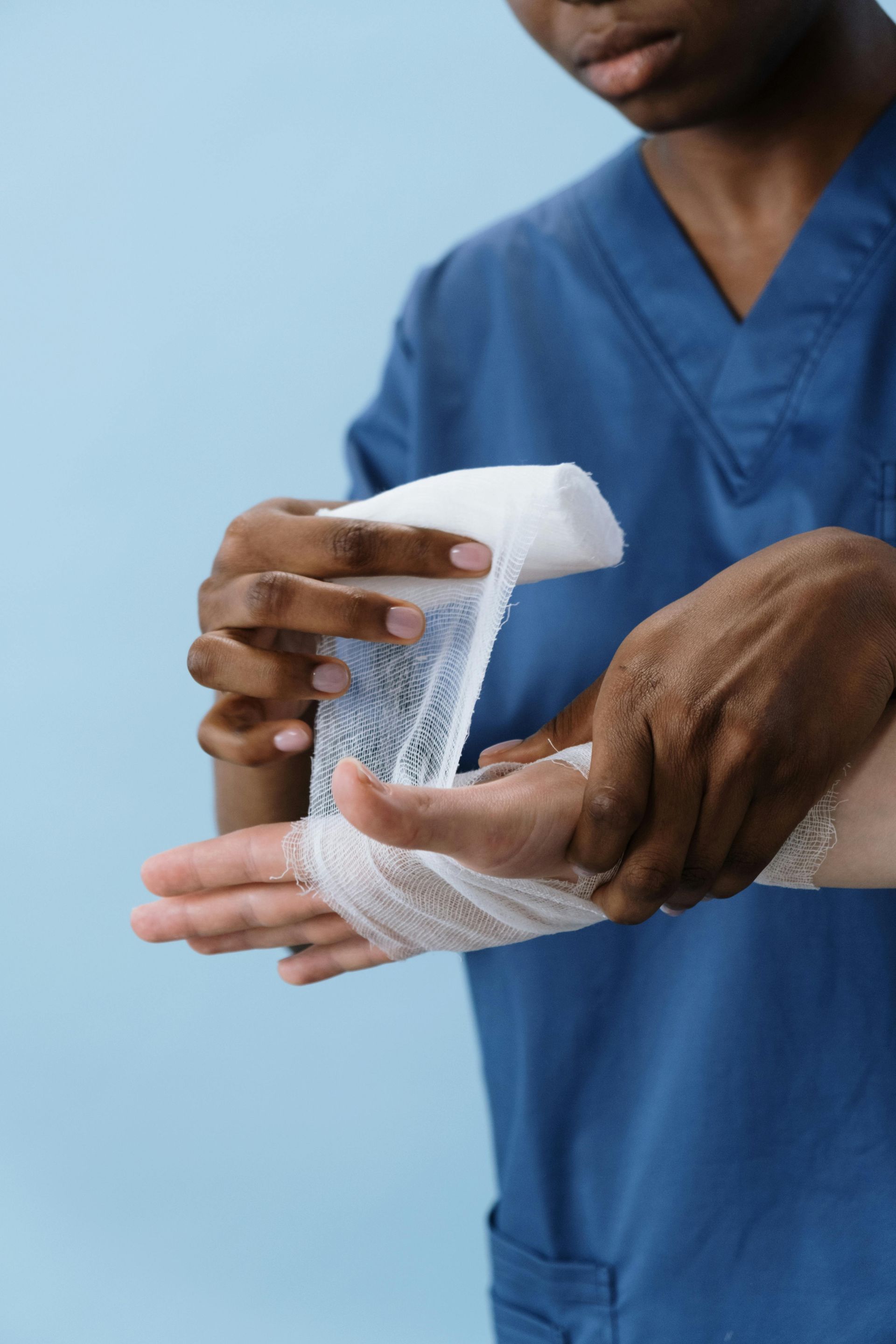
Minor procedure treatment in Toms River, NJ addresses injuries such as cuts requiring stitches, burns, and wounds that need professional cleaning, suturing, and dressing with clear instructions for home care and healing.
Which Injuries Qualify as Minor Procedures?
Minor procedures include wounds that are urgent but not life-threatening, such as lacerations needing closure, burn treatment, or foreign object removal.
Cuts deeper than a quarter inch or longer than half an inch often require sutures to promote proper healing and minimize scarring. Burns that affect multiple skin layers need debridement and specialized dressings. Wounds with debris or contamination require thorough cleaning to prevent infection. Abscesses may need incision and drainage to relieve pressure and remove infected material.
These injuries benefit from prompt treatment but do not require emergency room resources, making walk-in care an efficient option.
How Are Lacerations Closed and Cared For?
Lacerations are closed using stitches, surgical glue, or sterile strips depending on the depth, location, and tension of the wound edges.
The provider first numbs the area with local anesthetic to ensure comfort during the procedure. The wound is cleaned thoroughly to remove dirt and bacteria. Sutures bring the edges together to promote healing from the inside out. After closure, a sterile dressing protects the area from contamination. You receive instructions on keeping the wound dry, changing dressings, and watching for signs of infection such as increased redness or drainage.
Most sutures are removed after seven to fourteen days depending on wound location. Facial cuts often heal faster than those on joints or high-movement areas.
Do Burns Always Need Professional Treatment?
Not all burns require medical care, but second-degree burns with blistering or burns larger than three inches across benefit from professional evaluation and treatment.
First-degree burns affecting only the outer skin layer can usually be managed at home with cool water and aloe. Second-degree burns that cause blisters and affect deeper skin layers need cleaning, specialized dressings, and monitoring to prevent infection. Third-degree burns that penetrate all skin layers require emergency care. Chemical or electrical burns should always be evaluated regardless of appearance.
Providers assess burn depth, apply antimicrobial dressings, and prescribe pain management. They also provide guidance on blister care and signs that warrant follow-up.
Ocean County's coastal environment means residents often need treatment for urgent care services in Toms River related to water-related injuries and outdoor activities that can result in cuts or burns.
What Should You Expect During Wound Cleaning and Dressing?
Wound cleaning removes contaminants and reduces infection risk, while proper dressing promotes healing and protects the injury from further damage.
The provider irrigates the wound with sterile saline to flush out dirt, bacteria, and dead tissue. For heavily contaminated wounds, mechanical scrubbing may be necessary. Once clean, the wound is dried and assessed for depth and damage to underlying structures. An appropriate dressing is applied based on wound type—absorbent pads for draining wounds, occlusive dressings for burns, or adhesive strips for small cuts.
You receive detailed instructions on dressing changes, signs of infection, and activity restrictions. Follow-up appointments ensure healing progresses as expected.
Are Tetanus Shots Needed After Cuts and Puncture Wounds?
Tetanus immunization status determines whether a booster is needed after injuries involving dirty objects, soil exposure, or deep puncture wounds.
If your last tetanus shot was more than ten years ago, or more than five years for contaminated wounds, a booster is recommended. Tetanus bacteria live in soil and can enter the body through breaks in the skin, causing severe muscle spasms and complications. The vaccine provides protection and is typically administered during your minor procedure visit.
Providers review your immunization history and recommend boosters based on injury type and time since last vaccination.
How Does Toms River Weather Affect Wound Healing?
Toms River's humid summers and coastal air can slow wound healing if moisture becomes trapped under dressings, creating conditions for bacterial growth.
High humidity makes it harder for wounds to stay dry, so frequent dressing changes may be necessary during summer months. Saltwater exposure from nearby beaches can irritate open wounds despite its mild antiseptic properties. Winter cold can reduce blood flow to extremities, slowing healing in hands and feet.
Providers offer seasonal wound care advice and recommend breathable dressings that balance moisture control with protection. Keeping wounds elevated and avoiding submersion in water supports faster recovery regardless of season.
Residents managing workplace injuries appreciate convenient access to work-related injury treatment in Toms River that includes wound care and proper documentation for workers' compensation claims.
Minor procedure treatment at Family First Primary Care in Toms River, NJ ensures proper wound closure, burn care, and infection prevention with detailed aftercare instructions. Connect with our team for immediate treatment of cuts, burns, and injuries requiring professional attention.